
70L 4" Mini Lights
Brighten any holiday display with our 70-count 5mm LED mini lights featuring 4" spacing on durable wire. These dense, energy-efficient LEDs deliver vibrant color, long-lasting performance, and commercial-grade reliability—perfect for wrapping trees, bushes, railings, or creating professional Christmas light installs. With moisture-sealed one-piece construction, extensive lifespan, and virtually unbreakable bulbs, these lights offer premium brightness and durability for both home and pro decorators.

50L 6" Mini Lights
Light up your holiday installs with our 50-count 5mm LED mini lights featuring 6" spacing on a durable wire. These professional-grade LEDs deliver bright, consistent color with wide coverage, making them ideal for wrapping trees, bushes, and larger landscape features. Engineered with one-piece moisture-sealed construction, a 50,000-hour lifespan, and virtually unbreakable bulbs, these lights are built to handle demanding outdoor environments.

Twinkle Mini Lights
Bring sparkle and motion to your holiday installs with our LED Twinkle Mini Lights. Each bulb gently twinkles independently, creating a soft, dynamic sparkle perfect for trees, bushes, and premium professional displays. Built with one-piece moisture-sealed construction, a 50,000-hour lifespan, and virtually unbreakable lenses, these lights deliver long-lasting performance, energy efficiency, and the eye-catching twinkle effect customers love.

Strobe Mini Lights
Create high-impact holiday displays with our 5mm LED Strobe Mini Lights, featuring intense strobing LEDs for bold, attention-grabbing sparkle. These professional-grade lights deliver vibrant flashes that make trees, bushes, and architectural elements stand out instantly. Enjoy reliable, commercial-grade performance that adds dynamic motion and unmatched visibility to any residential or commercial display.

RGBWW Mini Lights
Add premium color-changing performance to your professional installs with our RGBWW Wide Angle LED Mini Lights featuring water-tight coaxial connections. These commercial-grade minis deliver millions of vibrant RGB colors plus a true warm-white option, all powered through a secure, moisture-sealed coaxial system built for extreme outdoor durability.

Coaxial Mini Lights
Built for demanding professional installs, our 50L Wide Angle LED Mini Lights with water-tight coaxial connections deliver maximum durability, brightness, and reliability in any weather. The secure coaxial system prevents moisture intrusion and ensures consistent performance across long runs, while the commercial-grade one-piece construction and concave wide-angle lens provide superior visibility and vibrant light output.

Mini Lights w/ White Wire
Give your displays a clean, polished look with our LED Mini Lights on white wire, perfect for outlining windows, trim, railings, and décor where you want the wire to blend seamlessly. These dense, bright LEDs deliver professional-grade illumination with moisture-sealed one-piece construction, ultra-efficient energy use, and virtually unbreakable bulbs built to last season after season.

Mini Lights w/ Rubber Wire
Get cleaner, tighter wraps with our LED Mini Lights featuring flexible rubber band wire, designed to grip branches and décor better than standard light strings. These durable, one-piece LEDs deliver bright, long-lasting color while using up to 90% less energy. With virtually unbreakable bulbs and pre-balled convenience, they install fast and hold strong—perfect for professional indoor or outdoor displays.

Minleon 50L 6" Spacing Concave LED Mini Lights
Get vibrant color, long-lasting performance, and pro-grade durability with Minleon 5mm LED mini lights. These 50-count strands on green wire offer perfectly matched white tones to Minleon C7 and C9 bulbs, ultra-efficient energy use, and virtually unbreakable construction. With up to 45 sets connectable and pre-balled for fast installs, they’re ideal for wrapping trees, bushes, and creating clean, reliable holiday displays season after season.

Concave Mini Lights
Designed for professional Christmas light installers who demand consistent, bold illumination across any project scale, these concave 5mm LED mini lights deliver exceptional brightness and uniform light distribution. The concave lens design spreads light evenly in all directions, eliminating dark spots and creating the vibrant, eye-catching glow that turns residential homes and commercial properties into stunning holiday displays.

Convex Mini Lights
Perfect for a softer, more dynamic aesthetic, these convex 5mm LED mini lights feature the traditional dome-style lens that focuses light outward like miniature bulbs. This directional design creates a subtler illumination pattern that works beautifully on trees and shrubs, where natural movement transforms the display into something truly magical—as branches sway in the wind, the focused light catches them at different angles, generating a gentle twinkling effect.

FAQ ABOUT LED MINI LIGHTS
The key difference is the connection system. Coaxial mini lights have a secure, water-tight connector that eliminates the moisture issues common in regular plug-in lights. This makes them more durable, more reliable, and capable of supporting large, professional displays without flicker or failure.

Concave (5mm) LEDs are the top choice for professional installers because they spread light evenly in all directions, creating a brighter, more consistent glow.
Convex (traditional dome-style) LEDs focus more of the light outward like a small bulb. This can also create a natural twinkling effect on trees as the limbs sway, and the directional light catches tdifferenhem tly, making the tree look like it’s gently sparkling.
Both styles look great, but concave 5mm LEDs are the industry standard for bold, vibrant illumination, while convex LEDs offer a softer, wind-driven twinkle.

Spacing affects the look and density:
- 4" spacing = fuller, more premium look. Best for wrapping trees, columns, railings, and tighter designs.
- 6" spacing = lighter, more economical coverage. Great for bushes and larger trees.
If you want the display to really pop, go 4". If you want to stretch your budget or cover long distances, go 6".
Most professional mini light strands are 24 feet long.
Our commercial LED mini lights let you safely connect 40–45 strands on a single run. Always check the tag on your specific product for the exact details.
- Green wire blends into bushes, trees, gutters, shingles, and almost any outdoor surface.
- White wire is perfect for daytime visibility on columns, railings, white gutters, light trim, fences, or indoor décor where you want the wire to disappear.
If half the strand is out, it usually means a resistor inside the wiring failed. That component isn’t replaceable. The best solution is to discard the strand and replace it. This is why pros always keep extra spares on hand during the season.
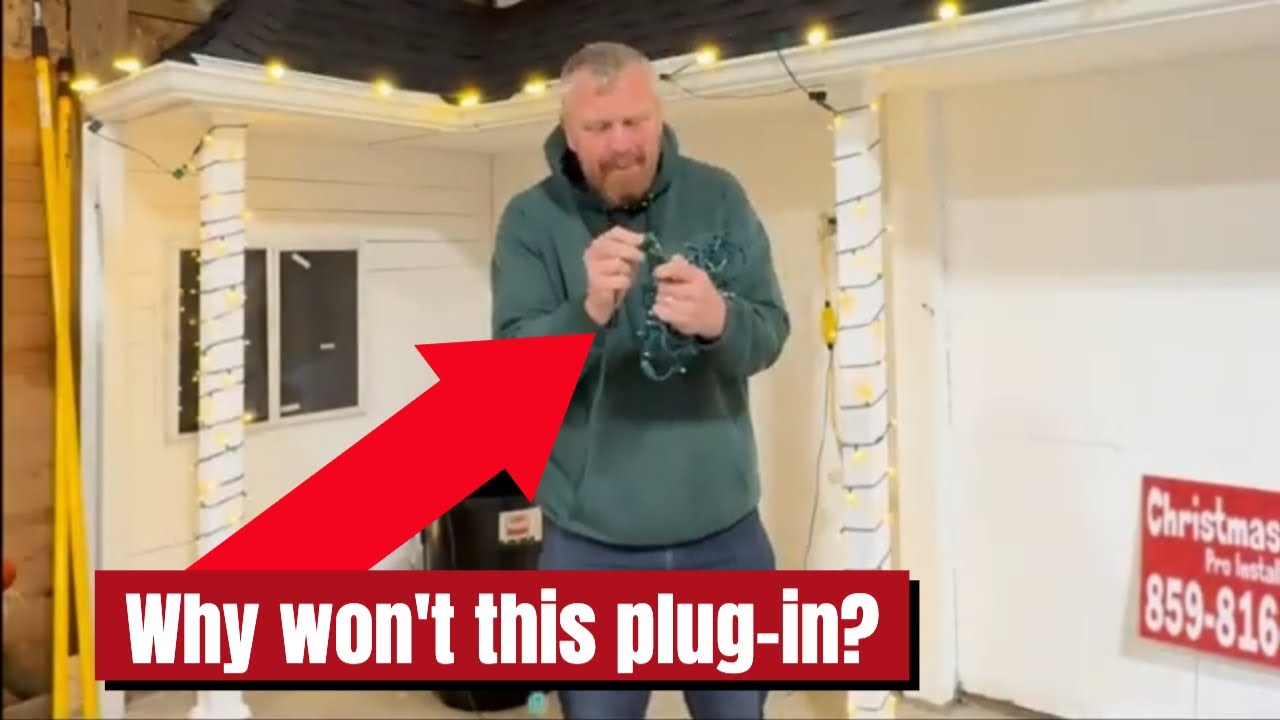
Mini light strands are designed with specific input and output ends that only connect in one direction for safety. If your male plug won’t connect to the female end of another strand, it’s because that strand isn’t meant to be powered from that side. This prevents incorrect wiring and reduces the risk of electrical hazards.
You also cannot use a standard extension cord as a substitute for the proper power input on mini lights. Doing so can overload the line, damage the lights, or create a fire risk.
To power your minis correctly:
- Always start from the designated male plug end of the strand
- Follow the manufacturer’s connection pattern
- Never modify plugs or use extension cords in reverse
- Use only approved accessories designed for mini lights
Our video explains how mini light connections work, why certain plugs won’t fit together, and how to safely power your display.